The quiet revolution in feline behavior studies has uncovered surprising new manifestations of separation anxiety in domestic cats. Where we once imagined distressed meowing or frantic greetings as the primary symptoms, veterinarians now document two divergent behavioral pathways that leave owners perplexed: destructive rampages versus silent withdrawal. These polarized responses reveal fundamental differences in how individual cats process emotional distress when separated from their human companions.
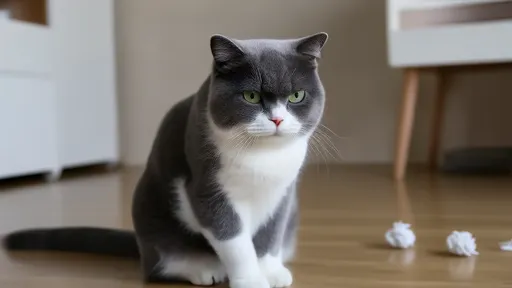
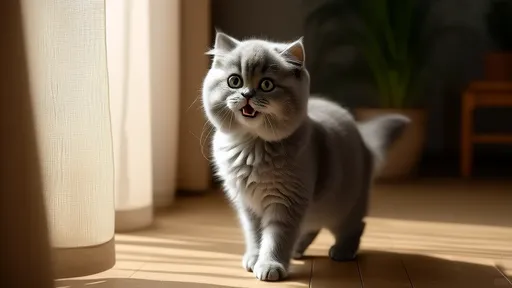
Destructive cats transform into tiny tornadoes of chaos the moment their owners depart. Scratched furniture, knocked-over vases, and shredded curtains become testament to their inner turmoil. This explosive reaction mirrors the fight response in stress physiology - an active attempt to alter their distressing circumstances through physical action. The destruction often centers around exit points like doors and windows, as if the cat believes it can physically reach its absent human through sheer force of will. These cats typically show exuberant (sometimes overwhelming) affection upon reunion, their anxiety temporarily soothed by the return of their secure base.
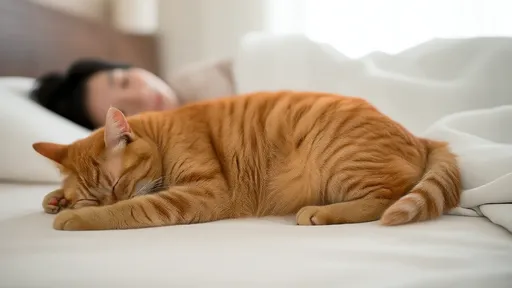
In stark contrast, silent sufferers internalize their distress in ways that often go unnoticed until serious health consequences develop. These cats may cease eating entirely, sometimes for dangerous durations, or withdraw to hidden spaces where their suffering escapes human detection. Their physiological stress response follows the freeze/shutdown pathway - a conservation strategy seen across mammalian species when active coping appears futile. The very subtlety of these symptoms makes them particularly dangerous, with some cats losing 20% of body weight before owners recognize the pattern connecting absences and appetite loss.
Behavioral ecologists suggest these differences may stem from early life experiences. Kittens raised in stimulating environments with controlled stressors often develop into cats that externalize distress, while those from sterile or unpredictably stressful early environments tend toward internalizing behaviors. However, breed predispositions complicate this picture - Siamese and other highly social breeds lean toward destructive expression, while Persians and similar reserved breeds more commonly exhibit the silent response pattern.
The timing of symptom emergence provides critical diagnostic clues. Destructive behaviors typically manifest immediately upon separation, often within minutes of the owner's departure. Surveillance footage shows these cats transitioning rapidly from vigilant waiting at doors/windows to active destruction phases. Silent sufferers, conversely, may take hours or even days to show symptoms, their withdrawal progressing gradually as hope for reunion diminishes. This delayed response pattern frequently leads to misdiagnosis, with physical illnesses suspected before separation anxiety is considered.
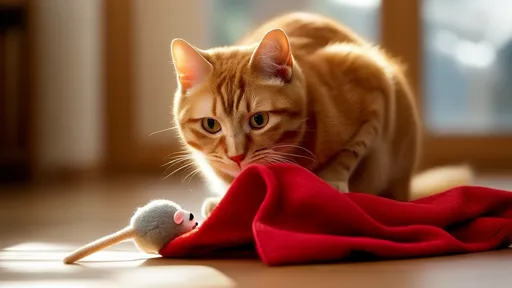
Treatment strategies must account for these fundamental differences in stress expression. Environmental enrichment proves crucial for destructive cats - puzzle feeders rotated daily, cardboard scratching stations, and strategically placed climbing structures can channel anxious energy into appropriate outlets. Silent cases require opposite interventions: highly palatable foods left in multiple locations, pheromone diffusers near hiding spots, and sometimes antidepressant medications to break the cycle of withdrawal. In both cases, gradual desensitization to departure cues (keys jingling, bags packing) forms the foundation of behavioral modification.
Modern technology offers unprecedented insights into these private feline struggles. Pet cameras with treat dispensers allow real-time intervention when anxious behaviors emerge, while activity trackers monitor subtle changes in movement patterns that precede full-blown anxiety episodes. Some pioneering veterinarians now prescribe "separation anxiety bloodwork" - cortisol testing paired with routine chemistry panels to identify silent sufferers before dangerous weight loss occurs.
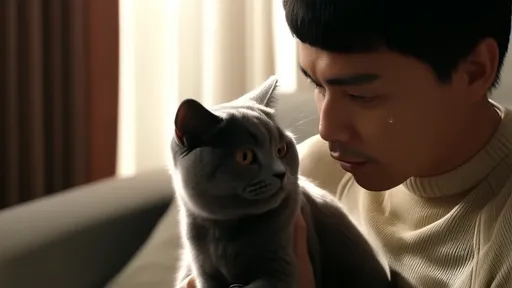
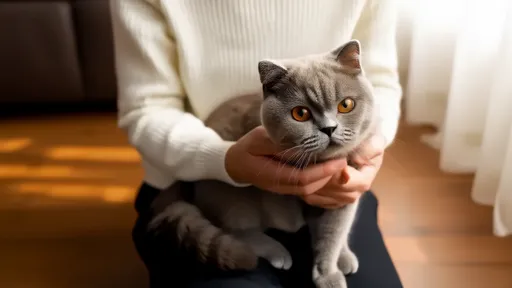
The emotional lives of cats continue to surprise even seasoned researchers. Where canine separation distress follows relatively predictable patterns, feline anxiety manifests along a spectrum from explosive to implosive. This dichotomy challenges owners to become fluent in their cat's unique emotional language, whether that language speaks in overturned furniture or in the silent eloquence of an untouched food bowl. As our understanding deepens, one truth becomes clear: the myth of the aloof, independent cat has been definitively laid to rest.
By /Jun 12, 2025

By /Jun 12, 2025
By /Jun 12, 2025
By /Jun 12, 2025
By /Jun 12, 2025

By /Jun 12, 2025

By /Jun 12, 2025
By /Jun 12, 2025

By /Jun 12, 2025

By /Jun 12, 2025
By /Jun 12, 2025

By /Jun 12, 2025
By /Jun 12, 2025
By /Jun 12, 2025
By /Jun 12, 2025

By /Jun 12, 2025

By /Jun 12, 2025
