Focaccia Dipping Sauce: Oil-Infused Herbs and Pre-Baking Dimples

Jun 18, 2025 By

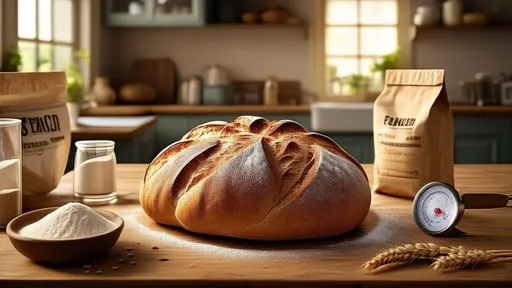
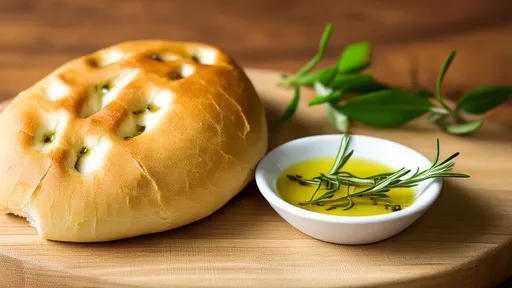
The art of crafting the perfect focaccia extends far beyond the simple combination of flour, water, and yeast. Among the many nuances that elevate this humble Italian flatbread, the interplay between herb-infused olive oil and the depth of dimples pressed into the dough before baking stands out as a transformative detail. These elements don’t merely contribute to flavor—they shape the bread’s texture, aroma, and even its ability to cradle dips and accompaniments. For bakers and food enthusiasts alike, understanding this dynamic can unlock new dimensions in both homemade and professional focaccia.

At the heart of every memorable focaccia lies a generous pour of high-quality olive oil. But it’s the infusion of fresh or dried herbs that turns this staple into something extraordinary. Rosemary, thyme, and oregano are classics, their earthy notes melding with the fruity bitterness of the oil. The infusion process is simple yet deliberate: warm olive oil gently coaxes out the herbs’ essential oils, creating a fragrant base that permeates the dough during baking. Some bakers even reserve a portion of this infused oil for post-bake drizzling, doubling down on flavor. The choice of herbs isn’t just about tradition—it’s a chance to personalize. Sage lends a peppery warmth, while marjoram offers a sweeter, floral touch. For those seeking boldness, chili flakes or crushed garlic can be steeped alongside the herbs, adding layers of complexity.

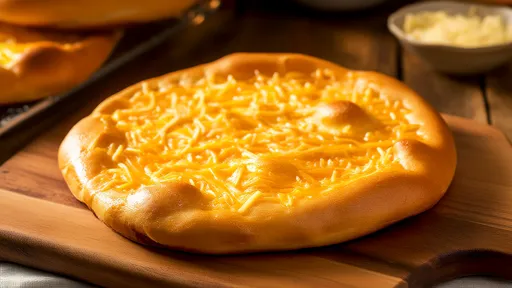
Yet, no amount of herbal infusion can compensate for poorly executed dimpling—the iconic indentations that give focaccia its characteristic craggy surface. The depth of these depressions isn’t merely aesthetic; it’s functional. Shallow dimples may crisp appealingly but fail to trap sufficient oil, resulting in uneven flavor distribution. Conversely, overly aggressive pressing can weaken the dough’s structure, causing it to collapse rather than rise airily. The ideal depth strikes a balance: deep enough to create reservoirs for the infused oil to pool, yet gentle enough to preserve the dough’s integrity. Many seasoned bakers swear by the knuckle method—using the first joints of the fingers to create consistent, quarter-inch-deep wells across the surface. This technique ensures even baking and maximizes oil absorption without compromising the crumb.

The synergy between infused oil and dimple depth becomes most apparent during baking. As the oven’s heat works its magic, the oil-filled crevices caramelize, creating pockets of concentrated flavor and contrasting texture. The herbs suspended in these pools crisp slightly, their aromas intensifying and mingling with the bread’s natural yeasty sweetness. Meanwhile, the dimples’ depth influences the rate of moisture evaporation: shallower indentations lead to a more uniform, cracker-like crispness, while deeper ones yield a varied landscape of crunchy peaks and tender valleys. This textural interplay proves particularly valuable when serving focaccia with accompaniments—whether it’s a creamy white bean purée or a tangy balsamic reduction, the bread’s topography holds and enhances every dip.

Regional variations across Italy showcase the adaptability of these principles. In Liguria, where focaccia originated, the dimples are often shallower, allowing the olive oil to create an all-over sheen rather than deep pockets. Here, the infused oil tends toward simplicity—just rosemary and perhaps a whisper of sea salt. Move south to Puglia, and the dimples grow more pronounced, designed to cradle the region’s vibrant tomato-based toppings. The infused oils follow suit, incorporating sun-dried tomatoes or fiery peperoncini. These differences aren’t arbitrary; they reflect how local ingredients and culinary traditions shape even the most fundamental techniques.

For home bakers looking to experiment, the relationship between oil infusion and dimple depth offers endless creative possibilities. A woodsy blend of thyme and porcini mushroom powder in the oil pairs beautifully with deeper, wider dimples that can hold sautéed wild mushrooms. A bright lemon zest and parsley infusion might call for shallower impressions to keep the focus on the oil’s freshness. The key lies in viewing these elements as partners rather than separate components—each decision about herbs should inform the approach to dimpling, and vice versa. Even the timing of dimple creation matters; some bakers prefer to make initial indentations before the final proof, allowing them to deepen naturally as the dough expands, while others press just before baking for more defined edges.

Beyond the technical aspects, there’s an almost meditative quality to preparing focaccia this way. The rhythmic pressing of dimples, the slow infusion of oils, the patient waiting as aromas fill the kitchen—these rituals connect us to generations of bakers who have refined this deceptively simple bread. In an era of rapid meals and shortcuts, taking the time to master these details feels like an act of preservation, a way to honor the craft while making it one’s own. Whether served as an appetizer, sandwich base, or standalone treat, a focaccia made with thoughtful herb infusion and precisely measured dimples doesn’t just taste better—it tells a story with every bite.
Recommend Posts
Food

Temperature Control for Gelatinization of Cassava Flour and Cheese Stretching in Brazilian Cheese Bread (Pão de Queijo)

By /Jun 18, 2025

The art of crafting Brazil’s beloved Pão de Queijo, or cheese bread, lies in the delicate balance of temperature control. This iconic snack, with its crisp exterior and irresistibly chewy interior, owes its unique texture to two key elements: the gelatinization of tapioca starch and the melting properties of cheese. Mastering these processes requires an understanding of how heat transforms these ingredients, creating the perfect bite every time.
Food

Acid Management of French Country Bread Sourdough: The Proportion of Whole Wheat Flour and Cold Storage Cycle

By /Jun 18, 2025

The art of maintaining a sourdough starter for French country bread is a delicate balance of science and intuition. Among the many factors that influence the character of a mature starter, the ratio of whole wheat flour and the refrigeration cycle stand out as critical elements in acidity management. Bakers who master these variables unlock the secret to achieving that quintessential tangy depth while preserving the starter's vitality over extended periods.
Food

Blini Thickness Control: Buckwheat Batter Consistency and Skilled Pan Rotation

By /Jun 18, 2025

The art of crafting the perfect Russian blini is a delicate balance between tradition and technique, where the consistency of buckwheat batter meets the finesse of skillet rotation. Across the frost-kissed kitchens of Moscow to the rustic hearths of Siberian villages, this thin pancake has long been more than mere sustenance—it’s a cultural artifact. What separates a gossamer, lace-edged blin from a disappointingly doughy disc often boils down to two seemingly simple elements: the viscosity of the batter and the wrist’s subtle choreography with a cast-iron pan.
Food

Crispy Key to Wife Cake Made with Chinese Scalded Dough Method: The Proportion of Boiled Water and Oil Pastry

By /Jun 18, 2025

The art of making traditional Chinese wife cakes, or lao po bing, hinges on mastering the delicate balance between scalded dough and oil pastry. This centuries-old technique produces flaky, melt-in-your-mouth layers that define the perfect wife cake. While the filling often steals attention with its sweet winter melon paste, connoisseurs know the true magic lies in the interplay between the two dough components.
Food

Achieving Even Distribution of Dried Fruits in Christmas Penny Toffee and Techniques for the Perfect Cross-Cut"

By /Jun 18, 2025

The art of crafting the perfect Panettone reaches its zenith during the Christmas season, when bakers worldwide strive to achieve that elusive balance of flavor, texture, and visual appeal. Among the many technical challenges involved, two elements stand out as particularly crucial: the even distribution of dried fruits throughout the loaf and the precise execution of the signature cross-shaped incision on top. These seemingly simple details separate amateur attempts from professional-quality results, demanding both scientific precision and artistic intuition.
Food

Focaccia Dipping Sauce: Oil-Infused Herbs and Pre-Baking Dimples

By /Jun 18, 2025

The art of crafting the perfect focaccia extends far beyond the simple combination of flour, water, and yeast. Among the many nuances that elevate this humble Italian flatbread, the interplay between herb-infused olive oil and the depth of dimples pressed into the dough before baking stands out as a transformative detail. These elements don’t merely contribute to flavor—they shape the bread’s texture, aroma, and even its ability to cradle dips and accompaniments. For bakers and food enthusiasts alike, understanding this dynamic can unlock new dimensions in both homemade and professional focaccia.
Food

Temperature Difference Between San Neng Gold Pan and Ordinary Baking Pan: Cake Baking Time Adjustment Comparison Table

By /Jun 18, 2025

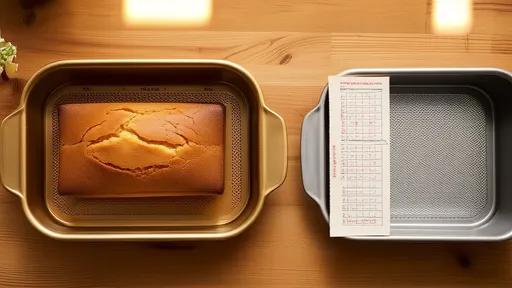
Professional bakers know that even minor variations in bakeware can dramatically impact baking results. The temperature differential between three-energy golden pans and standard baking pans represents one of those crucial variables that requires careful adjustment of baking times. This comprehensive guide explores the practical implications of these thermal differences for cake baking, providing actionable insights for achieving perfect results with either type of pan.
Food

Moroccan Couscous: A Simple Microwave Cooking of North African Staple with Semolina and Vegetable Broth

By /Jun 18, 2025

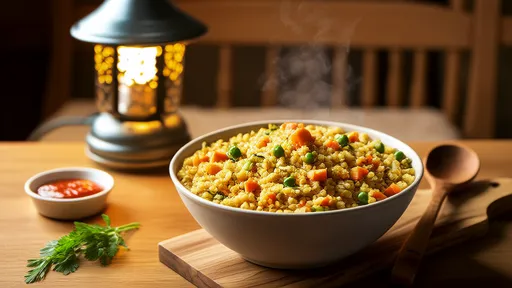
The aroma of warm spices wafts through the kitchen as steam rises from the fluffy grains - this is the magic of couscous, North Africa's most beloved staple. While traditional preparation involves a special pot called a couscoussier and hours of careful steaming, modern cooks have discovered an ingenious shortcut: the humble microwave. This revolutionary approach preserves all the authentic flavors while cutting cooking time to mere minutes.
Food

Adjustment of Yunnan Rose Flower Cake Flaky Crust: Proportion of Lard and Prevention of Water Leakage in Edible Rose Filling

By /Jun 18, 2025

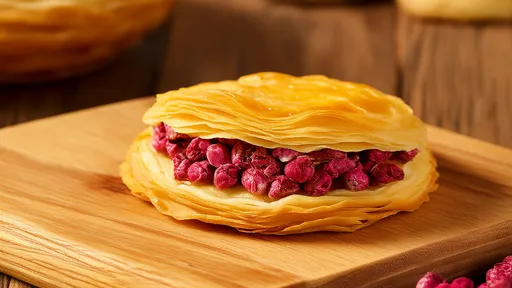
The delicate balance between flaky pastry and moist filling in Yunnan rose flower cakes has long been a subject of both tradition and innovation. Among the many factors that contribute to the perfect bite, the ratio of lard in the pastry and the moisture control of edible rose petals stand out as critical elements that separate mediocre pastries from exceptional ones. These two components, seemingly simple in nature, require precise execution and understanding to achieve that signature texture and flavor Yunnan rose cakes are famous for.
Food

Indian Curry Mutton Marinated with Ginger-Garlic Paste and Yogurt for Aroma Enhancement

By /Jun 18, 2025

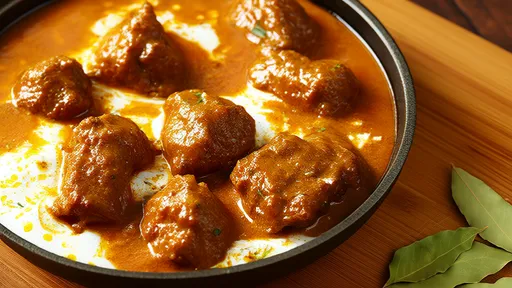
The rich tapestry of Indian cuisine is woven with centuries of culinary wisdom, and nowhere is this more evident than in the art of marinating meat. Among the myriad of techniques, the combination of ginger-garlic paste and yogurt for lamb curry stands as a testament to the subcontinent’s mastery of flavor alchemy. This ancient method not only tenderizes the meat but also works wonders in neutralizing gaminess while building complex aromatic layers.
Food

The Complete Steps of Chocolate Tempering: Seed Method Temperature Control and Maintaining Gloss

By /Jun 18, 2025

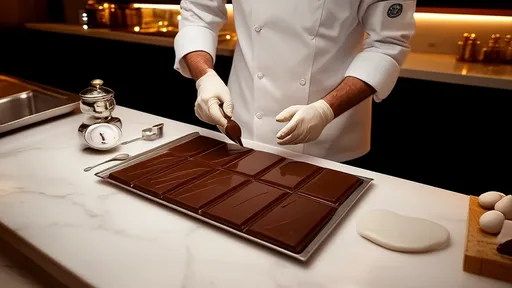
The art of chocolate tempering remains one of the most crucial yet delicate processes in confectionery. Achieving that perfect snap, glossy sheen, and stable crystalline structure requires precision, patience, and an understanding of cocoa butter's complex behavior. Among the various tempering techniques, the seeding method has gained prominence for its reliability in controlling temperature while maintaining the chocolate's visual and textural integrity. This approach not only simplifies the process but also ensures consistent results, making it a favorite among both artisanal chocolatiers and large-scale producers.
Food

Caribbean Coconut Bread: Incorporating Coconut Shreds into Dough and Using Banana as a Sugar Substitute

By /Jun 18, 2025

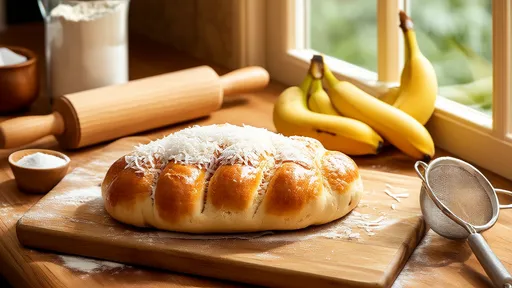
The Caribbean culinary tradition is a vibrant tapestry woven with tropical flavors, and few treats embody this spirit as perfectly as coconut bread. This beloved staple undergoes a fascinating transformation when bakers incorporate shredded coconut directly into the dough rather than using it merely as a topping. The technique creates a more nuanced texture and deeper coconut essence throughout every bite.
Food

Edo-Period Japanese Tea-Soaked Rice: Traditional Flavors with Brown Rice Tea Soak and Salted Cherry Blossom Petals

By /Jun 18, 2025

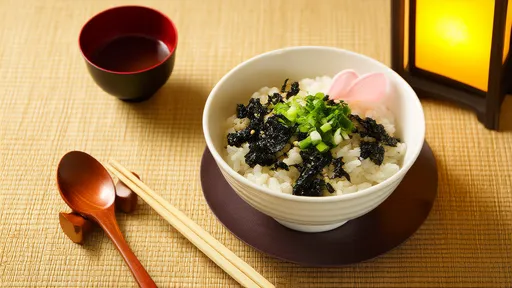
In the quiet corners of Edo-period Japan, where the bustling streets of Tokyo were still known as Edo, a humble yet deeply comforting dish began to carve its place in the culinary culture of the time. Ochazuke, or tea over rice, was a simple meal born out of practicality and frugality, yet it carried within it the subtle elegance of Japanese gastronomy. Among its many variations, two stand out for their unique flavors and historical significance: genmaicha-zuke (brown rice tea ochazuke) and shiozuke sakura no hana-zuke (ochazuke with salted cherry blossoms). These dishes were not just sustenance; they were a reflection of the seasons, the resourcefulness of the people, and the delicate balance of flavors that define Japanese cuisine.
Food

Swedish Gingerbread House Building Tips: Consistency of Icing Adhesive and Cookie Cutting Angles

By /Jun 18, 2025

The art of constructing gingerbread houses has become synonymous with Swedish holiday traditions, where precision meets creativity in edible architecture. While most enthusiasts focus on decorative elements, seasoned builders understand that structural integrity begins with two fundamental elements: the viscosity of royal icing adhesive and the strategic cutting angles of gingerbread components. These technical considerations separate wobbly constructions from sturdy masterpieces capable of surviving the holiday season.
Food

Mould Release of Spring Festival Brown Sugar Rice Cake: Oil Coating and Post-Steaming Cooling Time Control

By /Jun 18, 2025

The art of preparing traditional Chinese New Year brown sugar rice cakes, known as nian gao, is a time-honored practice that requires precision and patience. Among the many steps involved, two critical techniques often determine the success of this sticky delicacy: proper greasing of molds and controlled cooling after steaming. These seemingly simple steps hold the key to achieving that perfect texture and presentation that families cherish during Spring Festival celebrations.
Food

Thai Milk Tea Macarons: Tea Powder Coloring and Coconut Milk Ganache Filling Ratio

By /Jun 18, 2025

The vibrant orange hue of Thai milk tea has become iconic in beverage culture, but its transition into the delicate world of macarons presents both challenges and opportunities for pastry chefs. Unlike artificial food colorings that deliver consistent results, working with tea powder as both flavoring and coloring agent requires precise technique and understanding of how these natural pigments behave in different pH environments. When ground Thai tea leaves meet the almond flour-sugar foundation of macaron shells, they impart not just color but subtle tannic notes that balance the sweetness.